Essential Horse Riding Accessories for Equestrian Professionals and Retailers
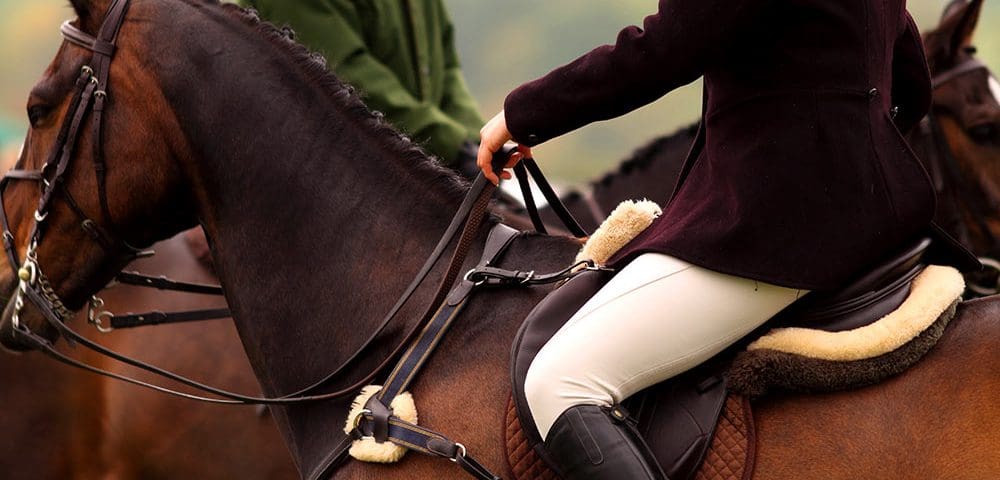
Understanding the Role of Horse Riding Accessories in Equestrian Disciplines
Horse riding accessories are central to every aspect of equestrian practice. They serve not only as tools of safety and control but also as the connection point between rider and horse. For businesses operating in equestrian retail and distribution, offering the right selection of well-crafted, reliable accessories is critical to meeting the demands of professional riders and stables.
Disciplines such as dressage, jumping, endurance, and general training each require gear that performs specific functions. These accessories must be durable, fit correctly, and be suitable for repeated use in varying conditions. From beginner riding schools to competition-level athletes, consistency and technical reliability are essential. Supplying such products ensures credibility and reinforces long-term business relationships.
Core Equipment Every Supplier Should Offer
A professional range of horse riding accessories should include all the functional elements riders need to train, compete, and care for their horses effectively. Key categories include:
- Bridles: Essential for communication between rider and horse. Variants like snaffle, flash, and grackle bridles support different levels of control and pressure distribution.
- Halters and Lead Ropes: Used for stable handling, grooming, and transport. Leather halters are preferred for their durability and comfort, particularly when padded or lined.
- Saddles: A fundamental part of the riding setup. Types include all-purpose saddles, dressage saddles with deep seats, and jumping saddles with forward-cut flaps.
- Girths and Cinches: Secure the saddle in place. Anatomical shapes and elasticated ends are valued for improved pressure distribution and comfort.
- Stirrups and Stirrup Leathers: Provide the rider with foot support and balance. Stainless steel or lightweight composite stirrups are common, with options for shock absorption.
- Saddle Pads: Positioned beneath the saddle to prevent friction and absorb sweat. Materials range from quilted cotton to gel-based pads, with options for discipline-specific cuts.
Each product type must be available in a variety of sizes and configurations to meet the diverse needs of both horses and riders.
Material Selection and Its Commercial Impact
Material quality has a direct impact on both product performance and the trust placed in a supplier. Full-grain leather is often favored for its tensile strength, resistance to wear, and natural adaptability over time. It conforms to the horse’s shape while maintaining integrity through repeated use. Vegetable-tanned leather, in particular, has become popular for its environmentally sound process and smoother finish.
In contrast, technical materials such as synthetic blends and polymer-reinforced textiles offer durability in harsher conditions and appeal to buyers looking for easier maintenance.
When selecting materials, buyers typically consider:
- Elasticity and break-in period
- Water resistance and maintenance requirements
- Stitching and edge finishing
- Compatibility with hardware (buckles, rings, and clips)
Transparency in material sourcing and construction is increasingly important. Retailers and resellers benefit from knowing how each product is built, how long it can be expected to last under typical use, and what conditions it’s best suited for.
Inventory Depth and Category Planning
Successful product offerings are based not only on category breadth but also on the depth of variation within each line. Carrying multiple sizes, finishes, and design configurations creates the flexibility needed to serve different end customers — from youth riders to competitive stables.
For a balanced inventory strategy, the following structure is recommended:
| Product Category | Suggested Variant Count |
| Bridles | 5–7 types (snaffle, grackle, etc.) |
| Saddles | 3–4 styles (jumping, dressage, GP) |
| Saddle Pads | 6+ options (materials, colors, cuts) |
| Girths and Cinches | 4+ shapes/sizes with different fasteners |
| Halters and Lead Ropes | 3+ styles with leather and synthetic options |
| Stirrup Leathers | 3+ lengths with buckle finishes |
Matching sets and coordinated color themes also encourage larger order volumes and simplify merchandising for retail environments.
Product Consistency and End-User Confidence
Equestrian professionals value predictability. Whether it’s the fit of a halter or the balance of a saddle, the equipment they use becomes part of a routine. For retailers and distributors, this means choosing products that maintain dimensional accuracy, material behavior, and stitching quality from one batch to the next.
We design and supply each item with the awareness that it will be relied upon repeatedly, sometimes under demanding conditions. Every strap, buckle, or padding layer contributes to the rider’s experience, and even minor quality inconsistencies can reflect poorly on your brand as a reseller.
Our role is to help you provide reliable, well-built accessories that hold up over time and reinforce your position as a trusted source for equestrian gear.
Building Confidence Through Product Performance and Consistency
For professional retailers and equestrian businesses, product consistency is not a preference — it’s a requirement. Accessories must perform as expected, maintain structural integrity over time, and reflect the quality your customers count on. At Pro Classic Global, each product is developed with an understanding of how it will be used, stored, cleaned, and relied upon in a real-world setting.
We focus on delivering practical, well-finished equipment that meets the expectations of the professional market. Whether it’s a halter used daily in the stable or a saddle pad selected for competition, our goal is to provide gear that reinforces your brand’s reliability and strengthens customer retention through functional value.
Trends in Horse Riding and Equestrian Accessories: Function Meets Design
While the primary function of horse riding accessories is performance and safety, aesthetics and design are increasingly influencing purchasing decisions. Retailers are responding to customer interest in refined finishes, customized touches, and collections that maintain visual consistency across product categories.
In recent years, there has been growing demand for:
- Color-coordinated gear sets (e.g., matching halters, saddle pads, and ear bonnets)
- Decorative stitching or embossed logos on leather goods
- Hybrid designs combining leather and performance synthetics
- Brass or matte-black hardware for a modern or vintage look
For B2B buyers, this shift opens the opportunity to curate collections that appeal not just to professional riders but also to the lifestyle and fashion-oriented equestrian customer. While functionality remains the baseline, offering tasteful, understated design options helps your store stand out and build customer loyalty.
This approach is particularly effective in higher-end retail environments, riding clubs, or when targeting premium clientele who view riding not just as a sport but as a way of life.
 English
 Hebrew
 French
 Arabic
 Russian